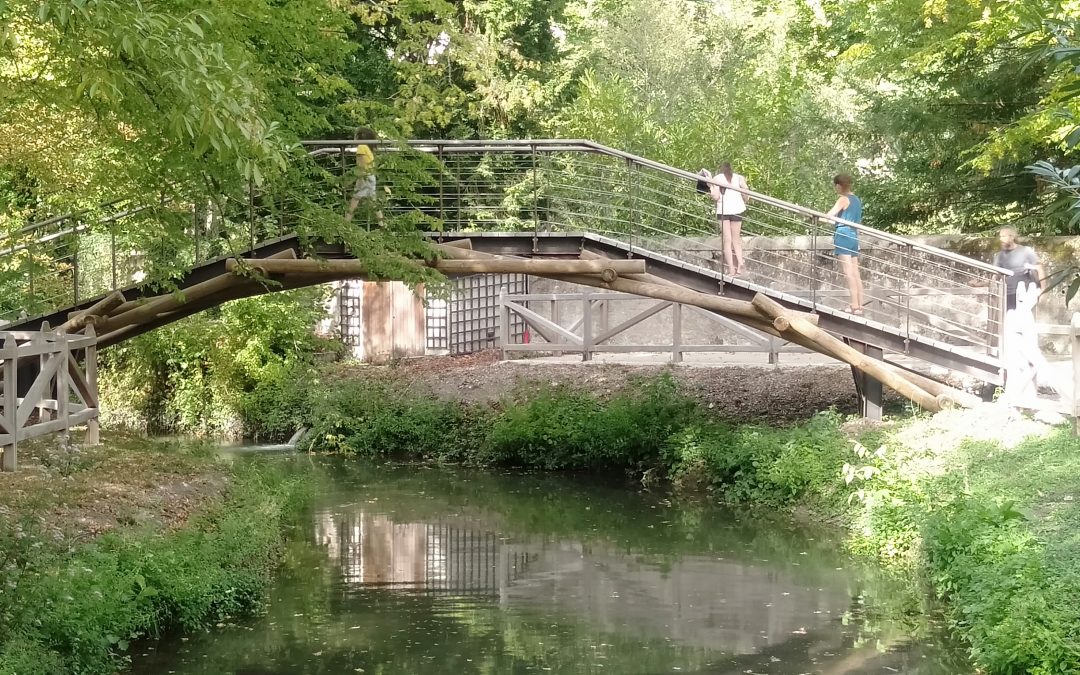
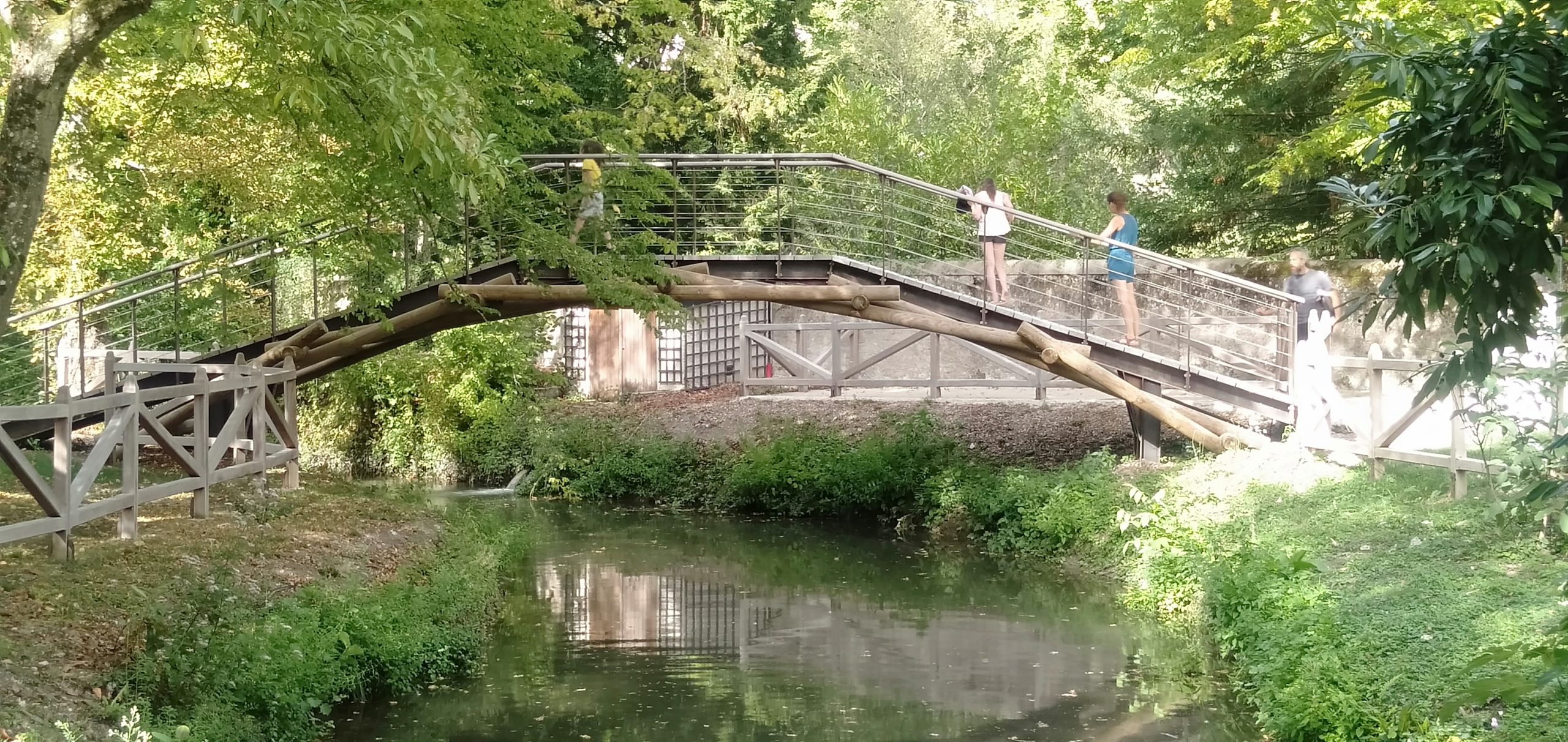
Leonardo da Vinci was a polymath of the Italian Renaissance whose genius transcended the boundaries between art, science, and engineering. While globally celebrated for his pictorial masterpieces, his contributions to civil and military engineering remain a cornerstone of structural history. Throughout his career, Leonardo served as an architect and engineer for prominent figures such as Ludovico Sforza and Cesare Borgia. His approach was defined by the systematic observation of nature, which he translated into innovative mechanical solutions recorded in his extensive codices. In 2019, the 500th anniversary of his death provides a significant opportunity to re-evaluate his technical foresight.
Historical Precedents and Military Innovation
One of the most relevant chapters of Leonardo’s creativity refers to bridge constructions. His designs seem to answer how to save distance within a resistant structure while using as few construction elements as possible. These questions were essential in his time from a military perspective, where speed of assembly and material efficiency were decisive factors for success on the battlefield.
The Atlantic Codex: Architecture without Fasteners
This specific bridge is included in Leonardo’s Codex Atlanticus (pages 69R and 71V). It was originally conceived as a tactical tool to follow or escape from the enemy. The most relevant characteristic of this arched structure is the total absence of nails, screws, or ropes.
First, the principle of reciprocity: the bridge’s subjection in a vertical position is achieved through the ingenious interlocking of its parts.
Second, the role of gravity: the weight of the individual timber elements is responsible for joining them together. The greater the load applied to the bridge, the more stable the structure becomes due to increased friction at the contact points.
Why this bridge matters: Timber’s Mechanical Properties
This self-supporting structure is a masterclass in the use of wood as a structural material. It demonstrates that timber is not merely a static element, but a dynamic one that offers:
Flexibility and Elasticity: the bridge relies on the wood’s ability to bend slightly under load without fracturing. This flexibility allows the arch to settle and distribute weight evenly across the interlocking notches.
Compressive and Tensile Strength: the design exploits timber’s high strength-to-weight ratio. As an «emergency bridge,» it proves that wood can withstand significant stress while remaining light enough for rapid transport and assembly.
Dimensional Stability: by relying on friction rather than rigid fasteners, the structure can accommodate minor movements, showcasing the natural resilience of the material.
Technical Conclusion
Leonardo da Vinci’s «emergency bridge» is far more than a historical curiosity. It remains a masterclass in structural economy and serves as a testament to the enduring relevance of timber in high-level engineering. His ability to work in harmony with the laws of physics continues to inspire modern architectural solutions based on reciprocity and modularity.
Se puede leer este dossier en su versión original catalana y su traducción a lengua castellana.
Este post y la traducción adjunta han sido creados sin finalidad lucrativa y utiliza imagen destacada con licencia Creative Commons a la que podéis acceder desde aquí Freepick.
Personal branding matters because it is the Strategic Alignment of Identity and Professional Reputation
Defining the Professional Profile
To create an authentic brand, one must identify distinctive characteristics and professional competencies. Taking my own trajectory as a reference, we can categorise these attributes into two core pillars:
1. Core Professional Competencies
My profile is defined by multidisciplinary versatility. I possess a high learning velocity and a strategic focus on:
Strategic Communication & Marketing: Crafting high-quality digital content and executing professional web design.
Educational Leadership: Delivering specialised training in Business English and Tourism Marketing.
Operational Excellence: Proficiency in CMS management, social networking, and corporate newsletters.
2. Distinctive Personal Attributes
Attributes are the inherent qualities that define how a professional interacts with their environment. I define myself as an energetic and intuitive leader, characterised by:
Assertiveness: The ability to express thoughts and feelings with clarity and respect; I consider this the highest level of effective communication.
Empathy and Discretion: Building trust with stakeholders through tact, confidentiality, and positive motivation.
Resilience: Maintaining a balanced temperament and a proactive, solution-oriented mindset.
The Commitment to Lifelong Learning
Rather than a static career path, I seek environments that demand Continuous Professional Development (Lifelong Learning). By aligning my passion for teaching and high-quality content creation with evolving market demands, I aim to transform complex professional challenges into high-impact achievements. Mi goal is to remain at the vanguard of my sector, ensuring that my polyvalent profile—balancing corporate strategy with academic rigour—continues to provide significant value to the organisations I represent.
Strategic Goals and Target Audience
A well-defined brand must be directed towards a specific audience. In this regard, my strategic focus is oriented towards Multinational Corporations, Educational Institutions, or Digital Enterprises looking for excellence in marketing and communication. By focusing on these sectors, I aim to apply my expertise to transform professional challenges into enjoyable, high-impact achievements that resonate with global standards.
Conclusion: The Value of Versatility
Ultimately, being a polyvalent professional—active in both corporate strategy and social solidarity (collaborating with NGOs and local entities)—allows for a richer interior wealth. Recognising this diversity of skills is not merely about professional placement; it is about projecting a prestigious academic image that resonates with the needs of the 21st-century global market.
The primary objective of this article is to provide a rigorous reflection on the environmental and economic implications of ageing water supply networks. In an era of increasing climate volatility, ensuring the structural integrity of our water systems is a fundamental requirement for sustainable development and territorial resilience. This approach aligns directly with SDG 6 (Clean Water and Sanitation) and SDG 9 (Industry, Innovation, and Infrastructure), which advocate for the resilient management of essential resources.
Infrastructure Vulnerability and Resource Depletion
Technical analysis identifies several critical factors as the primary drivers of inefficiency within municipal supply networks. Therefore, addressing these issues is the first step towards true environmental stewardship:
Systemic Ageing: Highlighting the urgent need for long-term investment in durable, sustainable materials to prevent service disruptions.
Unauthorised Interventions: A reminder that resource management requires transparency, civic oversight, and a commitment to SDG 11 (Sustainable Cities and Communities).
Environmental Stress and Obstructions: The direct impact of extreme weather patterns on our essential infrastructure necessitates a proactive rather than reactive management model.
Consequences
As a result of these vulnerabilities, the wastage of potable water represents a dual failure: a significant loss of natural capital and a preventable economic drain. Consequently, sustainability is only achievable when technical precision meets a profound respect for the environment.
Proposed Protocols for Sustainable Engineering
To transition towards a circular and efficient model, the implementation of advanced engineering protocols is essential. Furthermore, these actions prioritise the longevity of the network and the safety of the population:
Preventive Maintenance: Regular cleaning and disinfection to ensure biological safety and extend the life cycle of the infrastructure.
Advanced Leak Detection: Immediate identification and repair of leaks to prevent the silent depletion of our aquifers.
Technical Excellence and Training: Empowering staff with the skills necessary to manage complex networks through the lens of prevention and safety.
Strategic Crisis Management: Establishing robust response plans to protect the water supply during emergency situations, ensuring the continuity of the service.
3. Investment as a Catalyst for Environmental Recovery
In addition to technical protocols, allocating a specific budget for the modernisation of supply networks is not merely an operational cost; it is a vital investment in our collective future. By reducing economic losses and environmental damage with the maximum possible speed, we uphold our commitment to future generations and the global goals of the Agenda 2030.
Final Recommendation
Ultimately, immediate action is required to align our infrastructure with the principles of sustainability. The necessary funds must be assigned to commence these works without delay, ensuring that water—our most precious resource—is managed with the highest standards of efficiency and care.
ES: Para optimizar su experiencia y analizar el tráfico de este sitio, utilizo cookies propias y de terceros. Puede aceptar su uso o configurar sus preferencias.
CAT: Per optimitzar la seva experiència i analitzar el trànsit d'aquest lloc, utilitzo galetes pròpies i de tercers. Pot acceptar el seu ús o configurar les seves preferències.
EN: To optimize your experience and analyse site traffic, I use first and third-party cookies. You may accept their use or manage your privacy settings.
Funcional
Siempre activo
El almacenamiento o acceso técnico es estrictamente necesario para el propósito legítimo de permitir el uso de un servicio específico explícitamente solicitado por el abonado o usuario, o con el único propósito de llevar a cabo la transmisión de una comunicación a través de una red de comunicaciones electrónicas.
Preferencias
El almacenamiento o acceso técnico es necesario para la finalidad legítima de almacenar preferencias no solicitadas por el abonado o usuario.
Estadísticas
El almacenamiento o acceso técnico que es utilizado exclusivamente con fines estadísticos.El almacenamiento o acceso técnico que se utiliza exclusivamente con fines estadísticos anónimos. Sin un requerimiento, el cumplimiento voluntario por parte de tu proveedor de servicios de Internet, o los registros adicionales de un tercero, la información almacenada o recuperada sólo para este propósito no se puede utilizar para identificarte.
Marketing
El almacenamiento o acceso técnico es necesario para crear perfiles de usuario para enviar publicidad, o para rastrear al usuario en una web o en varias web con fines de marketing similares.