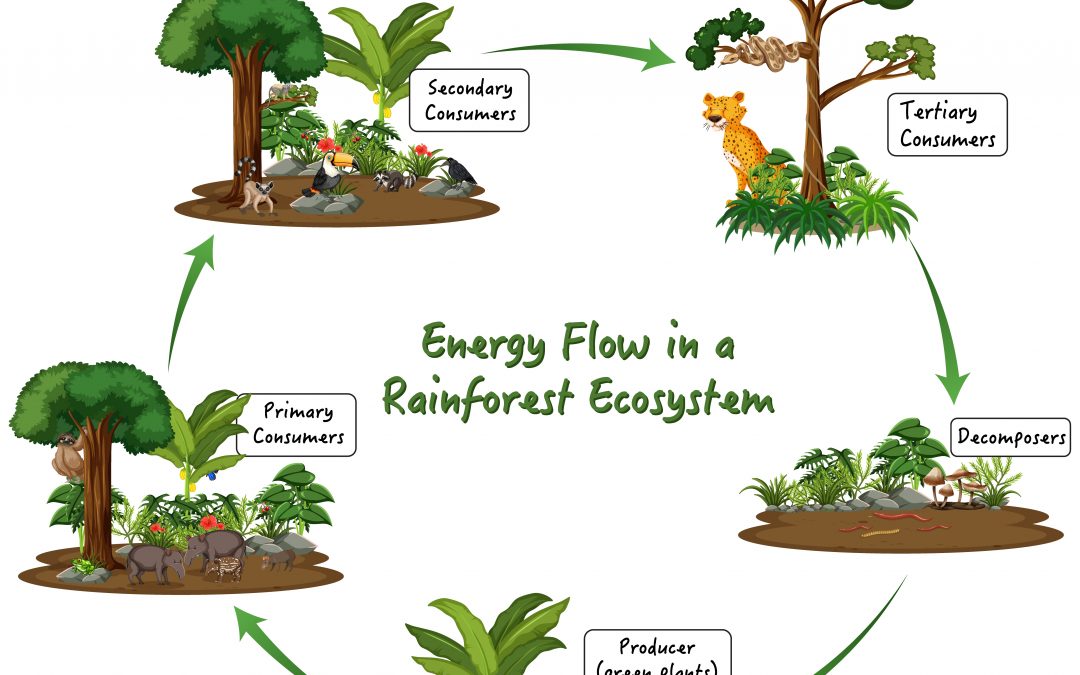
The management of natural heritage in Catalonia constitutes the central pillar of the recent Fusta Constructiva congresses. Scientific evidence and expert consensus confirm that safeguarding our environment requires a dual approach based on Catalan bioeconomy and territorial resilience. This analysis examines how water management, agrarian reform, and industrial circularity converge to protect our ecosystem under a sustainable strategic framework.
Biodiversity Protection and Water Resources
The conservation of the natural environment results in a critical factor for species survival, as established by SDG 15 (Sustainable Development Goal 15) regarding life on land. In this context, silviculture emerges as the essential tool for forest management. This discipline allows woodland masses to act as effective carbon sinks and mitigate the progress of global climate change.
IHowever, resilience is not limited to the forestry sector. SDG 6 (Sustainable Development Goal 6) gains dramatic relevance in a Catalonia burdened by structural drought. It is imperative to implement efficient irrigation systems and rigorous groundwater management. Currently, the territory faces a significant challenge due to obsolete infrastructure and the need for advanced treatments to eliminate nitrates.
Impact of the Livestock and Agricultural Industry
The porcine industry represents approximately 60% of Catalan meat production. According to data from Unió de Pagesos de Catalunya. , this sector generated an economic volume of €2,401 million in 2024. Nevertheless, this weight in the GDP (Gross Domestic Product) causes nutrient saturation due to slurry management. The excessive application of these residues acidifies the soil and reduces its water absorption capacity.
Conservation agriculture offers alternatives to maintain fertility through specific technical practices:
Crop rotation: Alternating plants to balance nitrogen fixation.
Organic coverage: Planting species to prevent water and wind erosion.
Direct sowing: Avoiding deep ploughing to retain carbon in the soil.
Natural fertiliser: Using compost instead of chemical fertilisers.
Circular Economy and Consumption Reality
SDG 12 (Sustainable Development Goal 12) seeks to eradicate the «throwaway culture» through the hierarchy of the 3 Rs. Despite the Catalan legislative framework banning single-use plastics, systemic dependence in supermarkets remains high. Factors such as the rise of e-commerce and high recycling costs compared to virgin plastic production hinder the transition towards sustainable materials.
Furthermore, a significant commercial barrier exists. While theory promotes repairable goods, many sales representatives prioritise new sales over repair. Faced with this inertia, committing to Km 0 products is vital to generate specialised employment and humanise the local economy.
Success Cases in Industrial Remanufacturing
The feasibility of this circular model is not merely theoretical; it is a tangible reality evidenced through advanced remanufacturing. During my professional engagements at the headquarters of Ferwood Iberia SLin Ripollet, I conducted an in-depth analysis of their operational model. This firsthand experience revealed how comprehensive reconditioning processes extend the life cycle of high-end industrial machinery.
This strategy does more than align with SDG 12 (Sustainable Development Goal 12) ; it proves that extending the lifespan of equipment is one of the investments with the highest environmental return. By restoring these machines to peak performance, the environmental impact of their initial manufacturing is amortised over a much more extensive period. This approach effectively prevents the scrapping of tonnes of steel and complex electronic components, transforming a linear industrial process into a humanised, circular value chain..
Bioeconomy and Active Forest Management
The bioeconomy proposes replacing the fossil fuel model with renewable biological resources. After analysing the presentations at Fusta Constructiva, four fundamental pillars for change are identified:
Technical valorisation: Integration of residues into the manufacturing of durable furniture.
Legal certainty: Mitigation of myths that penalise timber buildings in insurance policies.
Challenges of Ownership and Forest Profitability
Approximately 68% of the Catalan territory is forested surface, mostly fragmented and privately owned. Management constitutes a financial challenge, given that the profit margin per tonne of timber barely reaches €10. Jaume Minguell Garriga, Director General of Forests, defends the need to increase forest management as a preventive measure. Forest abandonment destroys natural assets; conversely, adequate silvicultural management generates wealth and protects the vulnerability of the territory.
Conclusions: Towards a Resilient and Productive Heritage
The transition to a circular bioeconomy model is essential for the conservation of the Catalan natural environment. Within this framework, the 21st century requires efficient management of water resources, the modernisation of agriculture, and active intervention in our forests.
Achieving success in these actions demands a dual responsible performance. On one hand, the primary and secondary sectors must adjust to European decarbonisation directives. On the other hand, citizens must foster responsible consumption habits, demanding Km 0 products and avoiding polluting packaging.
Likewise, public administrations must incentivise the circular economy and promote lines of action that converge with the 2030 Agenda. In conclusion, the shared commitment between the productive sector, social education, and public administration constitutes the only cornerstone that guarantees a sustainable future.
N.B. This article incorporates primary data and industrial observations gathered during the author’s professional field research and commercial consultancy within the Catalan manufacturing sector.
Management of Psychosocial Risks represents one of the most significant catalysts for workplace absenteeism within modern Catalan organisations. This article provides a structural analysis of these risks with a specific focus on their respective organisational models. By categorising the business fabric into three distinct paradigms—Small and Medium-sized Enterprises (SMEs), Large Corporations, and Public Sector Entities—this analysis examines how different scales of operation dictate the implementation of preventive health strategies. Simultaneously, it identifies the root causes of systemic failure within these hierarchical frameworks.
These risks typically manifest within dysfunctional corporate cultures, often exacerbated by excessive individual workloads, stagnant task variety, or a perceived lack of professional development opportunities. Consequently, these stressors jeopardise not only the well-being of the workforcebut also the fundamental stability of the organisation.
In this regard, it is essential to evaluate the subsequent impact on corporate productivity, as psychosocial factors frequently result in protracted periods of leave. Such issues derive from systemic pressures, including disproportionate task demands, a lack of operational autonomy, role ambiguity, and the imposition of irregular or unpredictable working hours.
Small and Medium-sized Enterprises (SMEs)
Within these organisations, professional relationships are typically direct and structures remain flat. However, resources are frequently constrained by technical and economic exigencies. Such companies generally rely on external prevention services. In the best-case scenario, these services conduct annual audits to ensure bureaucratic compliance. Consequently, they often fail to prioritise comprehensive psychosocial risk assessments.
Institutional Resources for SMEs Public administrations provide specific frameworks for organisations that encounter significant obstacles in managing psychosocial health. Detailed resources can be found via the Ministerio de Trabajo y Economía Socialofficial portal. Additionally, the Generalitat de Catalunya provides a dedicated Guia per a l’avaluació dels riscos psicosocials. This document serves as a fundamental methodological tool for local businesses.
Downloadable Methodological Frameworks:
Micro-enterprise Assessment Guide: Simplified protocols designed for organisations with up to 25 employees.
Role Ambiguity: Employees frequently undertake responsibilities exceeding their formal job descriptions. This overlap generates an excessive cognitive load.
Operational Overload: A limited headcount dictates that the absence of a single individual drastically impacts the collective. This interdependence intensifies time pressures.
Work-Life Intrusiveness: Proximity to ownership often results in a culture of total availability. Such expectations frequently encroach upon the private sphere.
Structural Vulnerabilities in SMEs This organisational model constitutes approximately 85% of the Catalan business. Nevertheless, it often fails in risk management because prevention is perceived as an administrative formality. Strategic health imperatives are rarely the priority. Furthermore, conflicts are frequently mediated through emotional lenses rather than professional protocols. This lack of formality hinders the resolution of harassment or managerial malpractice.
Large Corporations and Management of Psychosocial Risks
Large-scale organisations are characterised by hierarchical structures of national or multinational scope. These entities generally maintain internal prevention departments. Typically, these services implement «Healthy Workplace» programmes. They also establish sophisticated protocols designed to guarantee digital disconnection and mitigate harassment.
Primary Risks in Large-Scale Models
Erosion of Autonomy: Standardised processes can lead employees to feel depersonalised. This environment often results in a sense of alienation from their professional contribution.
Perceived Job Insecurity: Risks frequently stem from structural reorganisations or mergers. Strategic shifts decided in distant headquarters further exacerbate this uncertainty.
Systemic Competitiveness: Performance metrics linked to financial incentives can erode social support. Moreover, these systems often foster interpersonal friction.
Barriers to Effective Corporate Prevention Large corporations are no exception to the rule; the majority fail to manage psychosocial risks effectively. This deficiency arises from two primary factors:
The Bureaucratisation of Prevention: Complex assessments are conducted, yet results often stagnate within health and safety committees. Real workplace improvements rarely manifest.
Strategic Disconnect: Leadership remains detached from the daily operational reality of the workforce. As a result, perceived social support becomes ineffective.
Public Sector Entities
Finally, public organisations functionally mirror large corporations. They are distinguished by significant regulatory rigidity and the inherent instability of the political landscape. Despite possessing robust formal protocols, these entities exhibit high levels of burnout.
Primary Risks in the Public Sector
Hierarchical Stagnation: Inflexible administrative procedures often stifle individual initiative. This leads to a profound sense of learned helplessness.
Administrative Duality: Employees face conflicting priorities between long-term technical objectives and short-term political agendas.
Emotional Labour: Front-line staff are exposed to high social demand. Occasionally, verbal aggression from the public significantly depletes emotional resilience.
The Failure of Public Prevention The management of psychosocial health in the public sphere is compromised by the «Normative Illusion.» There is a tendency to confuse the existence of a regulation with the actual resolution of a problem. Additionally, a Leadership Vacuum often exists. Promotional systems based on seniority rather than managerial competence result in leaders who lack emotional intelligence. Finally, Chronic Resource Misalignment ensures that corrective measures are paralysed by the complexity of public procurement.
Conclusion: Strategic Investment vs. Legal Compliance
In conclusion, the failure to manage psychosocial risks within the Catalan business landscape is rarely a consequence of legislative absence. Instead, it is a symptom of structural and cultural misalignment. Whether through the emotional informality of SMEs, the bureaucratic inertia of corporations, or the normative rigidity of the public sector, prevention remains a secondary administrative tier.To reverse the escalating indices of absenteeism, organisations must transition from a model of «legal protection» to one of «strategic investment.» Professional disengagement will only decrease when human capital is no longer viewed as a mere technical resource. Ultimately, the sustainability of modern organisations depends on recognising the workforce as a complex social entity. While the structure provides the framework for risk, the human element remains the final frontier for genuine transformation.
International Women’s Day (March 8th) is often reduced to symbolic gestures within the corporate sphere. However, these gestures have their place, but for the high-level professional, this date should serve as a critical juncture to reflect on the nature of professional autonomy. Aphra Behn (1640–1689), the first known woman in English history to earn her living through intellectual labour, serves as an essential role model regarding strategic resilience.
Moreover, she did not merely participate in her era; she engineered a career within structures explicitly designed to exclude her. This historical reality is frequently overlooked in modern discourse. Consequently, a tribute to Aphra Behn is more than a historical exercise; it is a tribute to the professional resilience required to navigate systems not inherently designed for inclusion.
Historical Significance of Aphra Behn
Behn emerged as an unprecedented pioneer. Furthermore, she began her professional career as an intelligence operative for Charles II and later transitioned into a prolific writer. She achieved this success during a period when societal expectations demanded women to remain silent, anonymous, and entirely devoted to the domestic sphere. She entered the male-dominated public arena, and consequently, she legitimised the role of the female intellectual professional.
Additionally, she was ignored for many years, yet she deserves recognition as a key figure in the evolution of professional independence. Her influence on subsequent generations—particularly those operating in the spheres of literature, intelligence, and politics—is profound. She remains the primary archetype for the modern woman who operates successfully within structures (the theatre, the court, the intelligence network) that were never designed to accommodate her.
Intelligence and Literature Influence
Her influence follows two distinct, though intertwined, paths: the field of espionage, which requires strategic resilence, and her literary and academic contributions.
Strategic Intelligence Role
Aphra Behn’s legacy in the field of espionage is archetypal. Her operational role was that of an observer and operative—a transversal skill that remains essential in modern strategic management. She operated under the code name «Astrea.» Significantly, she demonstrated that intelligence is not merely limited to the interception of messages; rather, it is the mastery of the entire intelligence cycle.
Likewise, she excelled at discarding superficial data, synthesising the essential, and perceiving the «invisible» throughout her career as a spy. This strategic ability to critically analyse all contexts before acting is precisely what distinguishes success from failure in modern business organisations. Therefore, the ability to extract complex information into actionable strategy—the hallmark of Behn’s espionage—is a highly demanded professional competence in our current era of data saturation.
Literary Professionalism
Virginia Woolffamously highlighted Behn as a vital female role model. In fact, Woolf insisted inA Room of One’s Ownthat women should «let flowers fall upon the grave of Aphra Behn.» This passage positions Behn as the mother of the English professional female writer.
Moreover, she demanded and received payment for her work. It was not common practice at the time, as literature for landed gentry women was an amateur pastime. She became the owner of her ideas, earned her livelihood through intellectual labour, and thus shifted professional paradigms. The ability to craft a narrative that demands engagement is the definitive tool of the modern leader, whether one is proposing a large-scale construction project or pivoting a corporate strategy.
Furthermore, Behn used in her narrative some of the strategic principles of framing and perspective are essential for modern communication. For a practical example of how these narrative principles can be applied to re-engineer modern environmental storytelling, see my article Reaching Audience Requires Understanding.
Reputation and Professional Authority
The final lines of Oroonoko (1688) demonstrate how Behn managed her public reputation:
«Thus died this great man; worthy of a better fate and a more sublime wit than mine to write his praise; yet I hope the reputation of my pen is considerable enough to make his glorious name to survive to all ages, with that of the brave, the beautiful and the constant Imoinda.»
Notably, this passage illustrates how Behn consciously adopted the 17th-century convention of the «humble» female writer, apologising for her «not sublime wit.» She successfully neutralised potential criticism through this approach.
Conversely, she emphasises that she possesses a sufficiently considerable reputation, thus reaffirming her authority as a writer in this same paragraph. It is more important to possess the strategic ability to frame one’s authority within an acceptable framework than constant self-promotion—a true masterclass in professionalism. She did not just write her work; she forged her position through it.
Future Professional Models
Highly skilled professional women will see a shift away from static careers towards professional growth and self-realisation if they take Aphra Behn as a model for the future of their strategic resilence.
The «Behn Model» becomes increasingly relevant for leaders defined not by their ability to fit into a pre-existing box, but by their ability to change nowadays business environmental demands. Her profile was multifaceted, and this is an ability acquired through adaptation. Each transition required her to leverage her core intellectual assets in a new market context. Ultimately, the most valuable asset in our professional life is not a fixed job title, but a fixed intellectual agility.
Highly skilled professionals require these abilities:
Application of core competencies to new fields.
Formation of professional trajectories before others can shape them.
Prioritisation of professional sustainability over the temporary approval of the establishment.
Conclusion
Aphra Behn remains relevant not because she was a «feminist» by modern standards, but because she was a pragmatist who insisted on her right to a professional existence. A tribute to her is a tribute to the daily strategic resilience required of professional women in any century.She was a silent heroine who managed the risks of high-stakes environments and maintained her professional identity through a disruptive and critical narrative. Professional women of the 21st century must continue to break the barriers that hinder their recognition. Consequently, the path to recognition is not only social but is also fundamentally rooted in the acquisition of information, the mastery of narrative, and the unrelenting pursuit of professional excellence within any hierarchy, as Behn demonstrated. Her life is a blueprint for the future: to be agile, to be strategic, and, above all, to be undeniably professional.
The impact of senior strategic oversight on brand integrity in modern business environments demands professionals capable of precisely defining brand, product, and service strategies. Consequently, having experienced leaders allows companies to design comprehensive communication protocols that safeguard institutional reputation while simultaneously driving business growth. Furthermore, selecting a professional capable of preventing and managing crisis situations remains a crucial strategic decision.
In addition, brand reputation managers must establish seamless connections with the target audience to foster engagement and enhance prestige. Essentially, these leaders position corporate brands in premium market segments through sophisticated public relations and mentoring junior staff. Moreover, providing direct support during high-stakes crises requires a senior perspective aligned with the company’s top management. Therefore, investing in experience ensures that every decision reinforces the brand’s long-term integrity.
Professional Ethics and Institutional Integrity
Specifically, this role involves adhering to a rigorous code of professional ethics to achieve pre-established objectives within the allocated budget. Indeed, safeguarding institutional interests requires unwavering integrity and a commitment to diplomatic decorum across all communication channels. Notably, every communicative unit, including words, strategic silences, and visual images, functions as a decisive factor that either strengthens or compromises the organisation’s reputation.
To illustrate these principles through their practical application, several professional management examples demonstrate the impact of strategic oversight. For instance, the adaptation of the «Parlem de Fusta» program is an excellent example of an audience-centric strategy. Initially, these business networking sessions were held as breakfasts, in line with the guild’s working hours.
However, this schedule conflicted with the hours of the carpentry workshops for which they were intended. As a result, making the schedule more flexible proved to be an essential strategy for generating initial interaction. Subsequently, once the value of these meetings was established, the audience adapted to the guild’s regular hours.
Strategic Influence and Institutional Partnerships
Undoubtedly, ensuring the success of the «II Constructivist Timber Congress» required a similar shift in strategic approach. Initially, the collaboration with the Lignomadnetwork was an excellent initiative that served as the calling card for the congress. In particular, this transformation of a logistical challenge into an opportunity for brand development was crucial for consolidating the event as a national leader in sustainable timber construction.
Furthermore, these actions represent more than simple logistical adjustments; they are strategic decisions that strengthen the brand while optimising financial resources. For example, bringing the organisation in-house resulted in documented savings of three thousand euros and increased sales tenfold. Therefore, the congress successfully positioned itself on the radar of key industry players within the construction sector.
Multilateral Negotiations and Knowledge Transfer
Moreover, strategic influence also extends to high-level institutional negotiations, as demonstrated by the integration of the international Hybridtim project. Specifically, recognizing a unique opportunity during multilateral discussions with European universities—including UPC (Spain), TU Wien (Austria), and Riga Technical University (Latvia)—a successful proposal emerged to host the project’s closing ceremony in Avià.
Notably, this initiative not only expanded the organisation’s geographic reach but also enabled the monetisation of institutional expertise. In fact, it transformed a collaborative academic project into a direct source of additional revenue. In this regard, the success of this negotiation demonstrates the ability to identify and secure strategic opportunities that align academic excellence with financial sustainability.
Simultaneously, overcoming the inertia of a systematic «no» remains a hallmark of proactive management. Indeed, the implementation of free digital tools and professional teams overcame budgetary constraints to generate necessary audiovisual content. Ultimately, this momentum ensured a presence at international events, supported by powerful cultural metaphors to bridge the gap between global innovation and local industry prestige.
Strategic Frameworks for Elite Brand Positioning
Reflecting on a decade in this role highlights several relevant points for achieving an elite brand position:
First, contacts are an important asset which requires a properly segmented stakeholder groups. Moreover, selecting language and content is a must for engagement. Communicating in the specific ‘language’ of each group—delivering high-value content while discarding the superfluous—prevents the brand dilution caused by information overload.
Second, beyond building a community, the integration of public entities—technology centers or universities—within the collaborative framework known as Public-Private Partnerships (PPP) is crucial as I have illustrated with the closing conferences of the HybridTim EU Erasmus+project. This collaboration undergoes a process of brand legitimation.
Third, this collaboration significantly enhances knowledge transfer. The HybridTim project demonstrates how integrating the closing session within the Firhàbitat framework facilitated dissemination to a specialized audience in biosustainable construction, while attracting over 70 companies from the timber industry. This success serves as a clear illustration of how senior strategic oversight leverages an organisation’s convening power, transforming institutional potential into tangible industry engagement through targeted communication campaigns.
Last but not least, the adoption of ESG (Environmental, Social, and Governance) criteria establishes any product, as a vehicle for social and environmental change which is the most desirable within the 2030 agenda.
Conclusion
In conclusion, the accumulated experience of a senior professional serves as the primary catalyst for brand and institutional reputation management. Consequently, this role involves representing the organisation within a sophisticated market context, which requires full attention to institutional integrity. Furthermore, prioritising industry growth becomes a strategic mandate that guides every executive decision.
Moreover, the representative function demands a rare synthesis of sales acumen, elite customer service, and a profound understanding of institutional values. Clearly, when assuming brand management, a professional must possess advanced active listening skills and empathy. Ultimately, the impact of senior strategic oversight on brand integrity ensures a positioning that is both authoritative and contextually appropriate. Therefore, the presence of a senior expert ensures that the organisation actively shapes its future through strategic influence and operational excellence.
Determining who decides the music you listen to requires an analysis of both neurobiology and corporate strategy.
On the one hand, music serves as an authentic reflection of our inner selves. It triggers the release of dopamine, a neurotransmitter synthesized from amino acids that regulates biological functions. Consequently, this neurochemical vulnerability allows the industry to treat human emotion as a quantifiable metric.
On the other hand, the music industry has commodified the younger generations’ rebellion into a marketable social protest. This protest follows fashion aesthetics that require no real critical thought. Therefore, listeners often overlook the reality that a powerful oligopoly — Universal, Sony, and Warner — systematically conditions public preference to minimize financial risk.
This strategic manipulation creates a fictitious cultural landscape where commercial success is mistaken for artistic quality. Modern hits frequently promote effortless luxury and treat sex as a transactional game.
Furthermore, they facilitate the objectification of both genders, though women remain the primary subjects.
The Romantic Misogyny
Elvis Presleybecame the first solo artist in history to sell a million records. The fan phenomenon grew significantly during the 20th century thanks to his massive influence. This period illustrates the emergence of younger generations as a distinct market niche.
The king of rock-and-roll synthesized African American rock and roll structures with a standardized white sex appeal. He aimed to satisfy the cultural norms of a segregated era. Moreover, the music industry at this point still valued rhythmic innovation.
His hits generated immense energy and transformed him into a controversial cultural icon. Nevertheless, his lyrics often relegated women to a subordinate level. We see this evidenced in «(You’re the) Devil in Disguise» or the reductive plots of his cinematic work.
Path to Female Independence
The Beatles were essential catalysts for the cultural movements of the 1960s. Their compositional output integrated classical elements with traditional pop. Eventually, they explored diverse styles such as Indian music, psychedelia, and hard rock.
The Beatles acted as pioneers in the fields of studio recording and artistic presentation. Their early period adhered to patriarchal norms involving themes of jealousy. Conversely, their later work transitioned toward the advocacy of female autonomy.
A clear contrast exists between «You Can’t Do That» (1964) and «Lady Madonna« (1968). The first centers on social humiliation and the prohibition of female agency. The latter serves as an anthem for the working-class mother, acknowledging her resilience.
Gender-Subversive Paradigm
Queen‘s repertoire represents the pinnacle of innovation in the acoustic music scene. Freddie Mercury embodied a subversive talent that transcended his four-octave vocal range. Specifically, «Bohemian Rhapsody« posed a direct challenge to an industry prone to simplification.
Queen is complex and manages to reach the masses with experimental song structures. Overall, the band successfully combined ballads, opera, and hard rock. Mercury challenged traditional heteronormative masculinity through his public persona.
The «I Want to Break Free» video depicted the band in domestic female roles. This served as a powerful visual metaphor for the desire for liberation. Mercury used his platform to dismantle social constraints through theatrical performance.
Sophistication of Toxic Narratives
Stingrepresents the introduction of intellectualism and jazz into the pop sphere. His lyrics possess literary weight, and his music remains technically complex. The industry facilitated his success because his virtuosity remained profitable.
He operated like a scientist, experimenting with melodic structures to produce hits. However, his repertoire was not exempt from misogyny. This is best illustrated by the stalker narrative found in «Every Breath You Take.«
Toxic possessiveness was accepted without question during that era. Consequently, the industry successfully transformed a predatory sentiment into a romantic ballad. This demonstrates how high-level art can still harbor regressive social values.
Challenging the Patriarchal Norms
Depeche Mode became the primary architects of technopop for the masses. They questioned traditional masculinity by adopting an androgynous aesthetic.
This visual strategy deconstructed gender boundaries and aligned the band with a non-binary identity. They challenge the «macho» status quo. Two specific examples of their substantive hits follow:
Critique of the «savior» archetype in «Personal Jesus» (1989).
Strategic Marketing and Algorithms
The Bad Bunny phenomenon demonstrates how minimal creative effort can be optimized for maximum corporate profit through an absolute mastery of market behavior. Analyzing this from a marketing perspective shows that his success is the result of a precise alignment with his listeners’ desires. Indeed, this phenomenon confirms that reaching an audience requires understanding the specific context and psychological state of the receiver, whether in a high-level academic debate or within the hedonistic atmosphere of a nightclub.
Both the algorithmic model and the strategic narrative rely on the same fundamental principle of communication: the necessity of decoding the audience’s language to ensure resonance. While Bad Bunny utilizes repetitive structures to dominate the global charts, my research explores how that same principle of understanding can be applied to re-engineer human narratives in more complex spheres. Ultimately, the music industry reflects a broader truth about our era; success is determined by the ability to infiltrate the audience’s consciousness through a tailored strategic approach.
These two approaches represent different standards: one seeks mass-market dominance, while the other prioritizes the engineering of a disruptive narrative. Specifically, «Tití Me Preguntó« exemplifies the hyper-masculine desire to commodify the female body. Women are reduced to disposable goods in this narrative. This represents the ultimate triumph of the algorithm over the traditional artist, signaling a shift where marketing comprehension outweighs classical virtuosity.
Conclusion
This article offers an overview of the music industry through its most relevant icons. It shows how art is transformed into metrics subject to mathematical algorithms. These are aimed at a target audience driven by consumerism.
The music industry is relegating female empowerment to past decades. Misogyny is not exclusive to crude urban genres like reggaeton. In previous decades, many songs disguised themselves as romanticism or paternalistic protection.
Currently, heteropatriarchy is being reestablished with repetitive subliminal messages. A strategic manipulation exists that devalues talent and magnifies mediocrity. Therefore, 21st-century algorithms determine music production unless the public decides to turn the tables.
CREDITS AI-generated image by Gemini (Google) following my instructions.
Reaching audience requires understanding. This post demonstrates why a positive narrative outperforms the traditional language of guilt in environmental storytelling. Capturing human attention demands a strategic shift; therefore, clarity must be the priority in any communication effort. What follows is a disruptive dialogue between two of Earth’s most essential stakeholders: Water and Wood.
Dramatis Personae
Xylo which means wood in antique Greek Yaku which means water in Quechua language
Xylo: That is not necessarily the case, as I am a piece of hydrophobised or water-repellent wood. I have undergone treatment specifically designed to repel moisture. Consequently, neither you nor your counterparts can inflict any harm upon me. This protection represents the pinnacle of human engineering—a shield designed to preserve me indefinitely. Only those who treated me possess the power to damage me… It is a pity that so many fools exist!
Yaku : Are you referring to the bipedal parasites inhabiting the Earth?
Xylo: I speak of the same irrational beings who… — Yakuinterrupts
Yaku : …who melt the polar ice and contaminate the waters of rivers and oc eanswith microplastics and non-biodegradable detergents.
Xylo: Indeed, I refer to those animals who perceive themselves as superior. Beyond their own self-destruction, they inflict collateral damage upon other species and the fundamental elements of nature, such as you or even me.
Reaching an audience through public engagement
Yaku : Nevertheless, you have been treated well; you have been hydrophobized. As you said before, this is a technological triumph of human engineering.
Xylo: Countless peers of mine have faced the flames for centuries. Such ineptitude stems from a failure to recognize that timber functions as a vital CO2 sink. Rather than preserving wood and establishing sustainable forest management — at this point the Wood starts to cry with ligning tears — they prioritize the combustion of my species.
Yaku : Don’t cry my friend. They are not better with water usage. I wish we can change the world.
Xylo: Success for changing the world requires us to communicate in a language they can actually understand.
Yaku Their understanding of the world seems to be restricted to the ephemeral cycle of acquisition, disposal, and the relentless accumulation of waste.
Xylo: Perhaps we should engage them through the lens of consumption. We may succeed by using advertising and strategic marketing principles.
Yaku : For exemple?
Xylo5: Storytelling?
Strategic Storytelling: Reaching Audience Requires Understanding Modern Consumption
Yaku: Such a foolish idea! They have created many storyboards about it!
Xylo: Yes, they have but not us. And remember, reaching an audience requires understanding of your target audience.
Yaku: What’s your suggestion? What would you do?
Xylo: Let’s start with water. Our objective must be to promote biodegradable detergents. Then, we shall introduce an environmentally friendly cleaning product. When you buy laundry soap or any other household cleaning products, do you – appealing to unconscious humans – think your choices affect the environment?
Yaku: Do you really think they’re unaware that what they do in their homes affects the environment?
Xylo: During my time in the forest, my peers and I gathered intelligence from human conversations. We observed a recurring pattern of environmental denial—a psychological barrier that traditional marketing has failed to penetrate.
Yaku: They lack instinct… they lost it in their prehistory…
Xylo: Yes. To make us understand, we should tell a story that happens in any home, in the course of routine human actions. Show how non-biodegradable detergent travels down the drain and have them visualize how it affects ecosystems.
Yaku : There was a song in the 80s by an alternative group, Los Toreros Muertos, I think it was called «Mi Aguita Amarilla«
Xylo: Yes, I remember it, but it lacks a sustainable alternative. We should propose a turning point where a positive impact occurs. That is, show them that if they choose wisely, the water becomes clean.
Yaku: Just one little problem to solve: how are water and wood going to create their own advertising agency?
Xylo: My dearest Yaku, if we have cristalised this level of strategic alignment, we shall certainly succeed. We are not just creating a communication agency; we are re-engineering the human narrative.
Final Synthesis: Bridging Molecular Science and Market Behavior
The dialogue between Water and Wood molecules serves a creative purpose: it proves that strategic communication is an absolute necessity. My objective is to bridge scientific reality and consumer behavior through accessible storytelling—a tool successfully utilized in marketing to engage audiences.
Last but not least, this challenge is defined by human actions. Success depends on individual choices rather than industrial output. If we transform our consumption habits, manufacturers must inevitably adapt. Personal responsibility remains the catalyst for sustainability, as positivism is far more effective than the language of guilt.age of guilt.
ES: Para optimizar su experiencia y analizar el tráfico de este sitio, utilizo cookies propias y de terceros. Puede aceptar su uso o configurar sus preferencias.
CAT: Per optimitzar la seva experiència i analitzar el trànsit d'aquest lloc, utilitzo galetes pròpies i de tercers. Pot acceptar el seu ús o configurar les seves preferències.
EN: To optimize your experience and analyse site traffic, I use first and third-party cookies. You may accept their use or manage your privacy settings.
Funcional
Siempre activo
El almacenamiento o acceso técnico es estrictamente necesario para el propósito legítimo de permitir el uso de un servicio específico explícitamente solicitado por el abonado o usuario, o con el único propósito de llevar a cabo la transmisión de una comunicación a través de una red de comunicaciones electrónicas.
Preferencias
El almacenamiento o acceso técnico es necesario para la finalidad legítima de almacenar preferencias no solicitadas por el abonado o usuario.
Estadísticas
El almacenamiento o acceso técnico que es utilizado exclusivamente con fines estadísticos.El almacenamiento o acceso técnico que se utiliza exclusivamente con fines estadísticos anónimos. Sin un requerimiento, el cumplimiento voluntario por parte de tu proveedor de servicios de Internet, o los registros adicionales de un tercero, la información almacenada o recuperada sólo para este propósito no se puede utilizar para identificarte.
Marketing
El almacenamiento o acceso técnico es necesario para crear perfiles de usuario para enviar publicidad, o para rastrear al usuario en una web o en varias web con fines de marketing similares.