Catalan Bioeconomy and Territorial Resilience

Catalan Bioeconomy and Territorial Resilience

Bioeconomy and Territorial Resilience

The management of natural heritage in Catalonia constitutes the central pillar of the recent Fusta Constructiva congresses. Scientific evidence and expert consensus confirm that safeguarding our environment requires a dual approach based on Catalan bioeconomy and territorial resilience. This analysis examines how water management, agrarian reform, and industrial circularity converge to protect our ecosystem under a sustainable strategic framework.

Biodiversity Protection and Water Resources

The conservation of the natural environment results in a critical factor for species survival, as established by SDG 15 (Sustainable Development Goal 15) regarding life on land. In this context, silviculture emerges as the essential tool for forest management. This discipline allows woodland masses to act as effective carbon sinks and mitigate the progress of global climate change.

IHowever, resilience is not limited to the forestry sector. SDG 6 (Sustainable Development Goal 6) gains dramatic relevance in a Catalonia burdened by structural drought. It is imperative to implement efficient irrigation systems and rigorous groundwater management. Currently, the territory faces a significant challenge due to obsolete infrastructure and the need for advanced treatments to eliminate nitrates.

Impact of the Livestock and Agricultural Industry

The porcine industry represents approximately 60% of Catalan meat production. According to data from Unió de Pagesos de Catalunya. ,  this sector generated an economic volume of €2,401 million in 2024. Nevertheless, this weight in the GDP (Gross Domestic Product) causes nutrient saturation due to slurry management. The excessive application of these residues acidifies the soil and reduces its water absorption capacity.

Conservation agriculture offers alternatives to maintain fertility through specific technical practices:

  • Crop rotation: Alternating plants to balance nitrogen fixation.
  • Organic coverage: Planting species to prevent water and wind erosion.
  • Direct sowing: Avoiding deep ploughing to retain carbon in the soil.
  • Natural fertiliser: Using compost instead of chemical fertilisers.

Circular Economy and Consumption Reality

SDG 12 (Sustainable Development Goal 12) seeks to eradicate the “throwaway culture” through the hierarchy of the 3 Rs. Despite the Catalan legislative framework banning single-use plastics, systemic dependence in supermarkets remains high. Factors such as the rise of e-commerce and high recycling costs compared to virgin plastic production hinder the transition towards sustainable materials.

Furthermore, a significant commercial barrier exists. While theory promotes repairable goods, many sales representatives prioritise new sales over repair. Faced with this inertia, committing to Km 0 products is vital to generate specialised employment and humanise the local economy.

Success Cases in Industrial Remanufacturing

The feasibility of this circular model is not merely theoretical; it is a tangible reality evidenced through advanced remanufacturing. During my professional engagements at the headquarters of Ferwood Iberia SL in Ripollet, I conducted an in-depth analysis of their operational model. This firsthand experience revealed how comprehensive reconditioning processes extend the life cycle of high-end industrial machinery.

This strategy does more than align with SDG 12 (Sustainable Development Goal 12) ; it proves that extending the lifespan of equipment is one of the investments with the highest environmental return. By restoring these machines to peak performance, the environmental impact of their initial manufacturing is amortised over a much more extensive period. This approach effectively prevents the scrapping of tonnes of steel and complex electronic components, transforming a linear industrial process into a humanised, circular value chain..

Bioeconomy and Active Forest Management

The bioeconomy proposes replacing the fossil fuel model with renewable biological resources. After analysing the presentations at Fusta Constructiva, four fundamental pillars for change are identified:

  • Active silviculture: Human intervention necessary for reforestation.
  • Undergrowth management: Removal of brushwood to prevent large-scale wildfires.
  • Technical valorisation: Integration of residues into the manufacturing of durable furniture.
  • Legal certainty: Mitigation of myths that penalise timber buildings in insurance policies.

Challenges of Ownership and Forest Profitability

Approximately 68% of the Catalan territory is forested surface, mostly fragmented and privately owned. Management constitutes a financial challenge, given that the profit margin per tonne of timber barely reaches €10. Jaume Minguell Garriga, Director General of Forests, defends the need to increase forest management as a preventive measure. Forest abandonment destroys natural assets; conversely, adequate silvicultural management generates wealth and protects the vulnerability of the territory.

Conclusions: Towards a Resilient and Productive Heritage

The transition to a circular bioeconomy model is essential for the conservation of the Catalan natural environment. Within this framework, the 21st century requires efficient management of water resources, the modernisation of agriculture, and active intervention in our forests.

Achieving success in these actions demands a dual responsible performance. On one hand, the primary and secondary sectors must adjust to European decarbonisation directives. On the other hand, citizens must foster responsible consumption habits, demanding Km 0 products and avoiding polluting packaging.

Likewise,  public administrations must incentivise the circular economy and promote lines of action that converge with the 2030 Agenda. In conclusion, the shared commitment between the productive sector, social education, and public administration constitutes the only cornerstone that guarantees a sustainable future.

A Spanish linguistic adaptation of this analysis is available for the local industry, providing further technical insights into Catalan bioeconomy and territorial resilience .

Bibliography:

Resco de Dios, V. Climate-Smart Forestry and Wildfire Prevention Strategies in Mediterranean Ecosystems (presented at the VII Fusta Constructiva Congress).

Unió de Pagesos de Catalunya. Report on the Porcine Sector and Nutrient Management (2025).

 Generalitat de Catalunya – Departament d’Acció Climàtica, Alimentació i Agenda Rural. Strategic Plan for the Bioeconomy in Catalonia 2021-2030.

United Nations Department of Economic and Social Affairs. Sustainable Development Goals: SDGs 6, 12, 14, and 15.
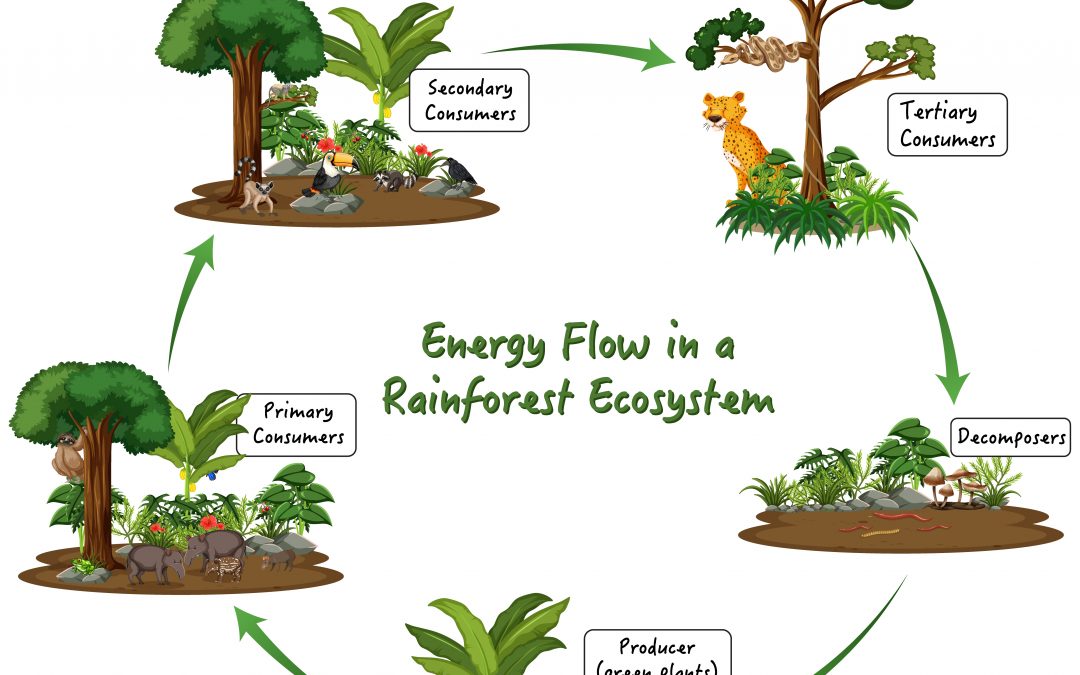
Main image has been downloaded from www.freepick.es

N.B. This article incorporates primary data and industrial observations gathered during the author’s professional field research and commercial consultancy within the Catalan manufacturing sector.

Blue Monday Myth: A Masterclass in Marketing

Blue Monday Myth: A Masterclass in Marketing

The myth of Blue Monday is a masterclass in marketing with no scientific basis. It relies on psychological variables to manipulate people’s minds. This strategy has been successfully applied in the UK for years.

However, we must consider the implications of applying this concept to our own context. Such frameworks often fail to account for local cultural differences. Consequently, the effectiveness of the myth may vary significantly across different societies.


The British Origin: Sky Travel and the Blue Monday Concept

To begin with, to understand the Blue Monday concept, it is important to know its origin. Cliff Arnall, expert in psychology, invented it in 2005 when he was associate researcher in Psychology at University Hospital Wales and psychology tutor at the Centre for Lifelong Learning. It was popularized by Sky Travel, a British travel agency, with the aim of selling holiday packages to British clients. It was created using parameters applicable to the Northern Hemisphere, taking into account its climate and population habits.

Blue Monday is the third Monday of January and is considered the saddest day of the year as it is associated with the abundant blues of the English sky. Moreover, the third Monday of January is exactly one month after Christmas, when many New Year’s resolutions have already been forgotten and then, it’s the perfect moment to take action to change the situation.


The Spanish Context: Climate, Tradition, and the January Slope

However, in Catalonia, and in Spain as well, it is slightly different. It is true that the third week of January tends to be the coldest week but our climate is mild compared with the English one and Christmas season has ended on the 7th of January as we also celebrate the Three Wise Men’s day. Possibly, most people have forgotten New Year’s resolutions but we have what is known as January’s slope which is a real financial and economic concept due to the spending excess in December (mainly gifts, travel and celebrations). Consequently, there is a sharp decline in retail sales.

In this context, department stores promote winter sales with significant discounts with the aim to increase January’s sales and have also tried to introduce the Blue Monday to mitigate January’s sales result but with lower economic results. It is worth reflecting on the fact that once the concept has been imported, what remains in people’s minds is Blue Monday’s association with sadness. Unfortunately, people believe what other people say and tend to be sad and depressed.


Neuromarketing Tactics: The Commercialization of Sadness

Specifically, neuromarketing works very well, as Jurgen Klaric says: “sell to the mind, not to the people. Thus, department stores and retailers first promote the perception of sadness to consumers’ minds, and then offer relief to their discomfort through advertising campaigns that focus on optimism, self-care, and personal growth. selling holiday packages or miracle products.  Consequently, Blue Monday functions as a marketing strategy within the annual sales agenda. It works similarly to Black Friday, Singles’ Day, Valentine’s Day, or Cyber ​​Monday in the yearly sales agenda. All these marketing events align Semàntica del Branding. I explain in this article how action verbs influence consumers’ psychological surprise positioning. Ultimately,  the meaning of words behind a brand’s language defines its global market perception.

Strategic Distinction: Rational B2B vs. Emotional B2C Sales

Conversely, emotions are the key main difference between the B2B sales (Business to Business) and the B2C sales (Business to Consumer). No matter whether the sale is in person or online, final consumers are driven by emotions such as tenderness, nostalgia, and surprise, among others. However, selling to a company is always a rational process. In my post Per què les emocions no funcionen en el tancament de les vendes B2B?, I explore why emotional triggers fail in professional environments and why logical ROI must take precedence. A solution, a return on investment, or the application of contractual incentives exemplify B2B decision-making.

Cultural Legacy: From New Order to Kurt Vonnegut

Finally, a brief digression serves to conclude today’s analysis, which, in my opinion, is anecdotal. Many people are unaware of the origin of the marketing concept behind Blue Monday and associate it with the famous song by New Order a British band formed by the members of Joy Division after Ian Curtis‘s suicide. Three years after the death of the singer of the latter band, in 1983, the former released a new album that was a genuine success throughout Europe.
Notably, this song has nothing to do with the Blue Monday marketing concept. New Order’s “Blue Monday” owes its title to its drummer, Stephen Morris, who was reading Breakfast of Champions (1973) by Kurt Vonnegut. This science fiction novel is a postmodern satire on society whose subtitle, “Goodbye Blue Monday,” became the title of this hit song.

Management of Psychosocial Risks

Management of Psychosocial Risks

A Structural Analysis

Management of Psychosocial Risks represents one of the most significant catalysts for workplace absenteeism within modern Catalan organisations. This article provides a structural analysis of these risks with a specific focus on their respective organisational models. By categorising the business fabric into three distinct paradigms—Small and Medium-sized Enterprises (SMEs), Large Corporations, and Public Sector Entities—this analysis examines how different scales of operation dictate the implementation of preventive health strategies. Simultaneously, it identifies the root causes of systemic failure within these hierarchical frameworks.

These risks typically manifest within dysfunctional corporate cultures, often exacerbated by excessive individual workloads, stagnant task variety, or a perceived lack of professional development opportunities. Consequently, these stressors jeopardise not only the well-being of the workforce but also the fundamental stability of the organisation.

In this regard, it is essential to evaluate the subsequent impact on corporate productivity, as psychosocial factors frequently result in protracted periods of leave. Such issues derive from systemic pressures, including disproportionate task demands, a lack of operational autonomy, role ambiguity, and the imposition of irregular or unpredictable working hours.

Small and Medium-sized Enterprises (SMEs)

Within these organisations, professional relationships are typically direct and structures remain flat. However, resources are frequently constrained by technical and economic exigencies. Such companies generally rely on external prevention services. In the best-case scenario, these services conduct annual audits to ensure bureaucratic compliance. Consequently, they often fail to prioritise comprehensive psychosocial risk assessments.

Institutional Resources for SMEs Public administrations provide specific frameworks for organisations that encounter significant obstacles in managing psychosocial health. Detailed resources can be found via the Ministerio de Trabajo y Economía Social official portal. Additionally, the Generalitat de Catalunya provides a dedicated Guia per a l’avaluació dels riscos psicosocials. This document serves as a fundamental methodological tool for local businesses.

Downloadable Methodological Frameworks:

Primary Risks in Small-Scale Models

  • Role Ambiguity: Employees frequently undertake responsibilities exceeding their formal job descriptions. This overlap generates an excessive cognitive load.
  • Operational Overload: A limited headcount dictates that the absence of a single individual drastically impacts the collective. This interdependence intensifies time pressures.
  • Work-Life Intrusiveness: Proximity to ownership often results in a culture of total availability. Such expectations frequently encroach upon the private sphere.

Structural Vulnerabilities in SMEs This organisational model constitutes approximately 85% of the Catalan business. Nevertheless, it often fails in risk management because prevention is perceived as an administrative formality. Strategic health imperatives are rarely the priority. Furthermore, conflicts are frequently mediated through emotional lenses rather than professional protocols. This lack of formality hinders the resolution of harassment or managerial malpractice.


Large Corporations and Management of Psychosocial Risks

Large-scale organisations are characterised by hierarchical structures of national or multinational scope. These entities generally maintain internal prevention departments. Typically, these services implement “Healthy Workplace” programmes. They also establish sophisticated protocols designed to guarantee digital disconnection and mitigate harassment.

Primary Risks in Large-Scale Models

  • Erosion of Autonomy: Standardised processes can lead employees to feel depersonalised. This environment often results in a sense of alienation from their professional contribution.
  • Perceived Job Insecurity: Risks frequently stem from structural reorganisations or mergers. Strategic shifts decided in distant headquarters further exacerbate this uncertainty.
  • Systemic Competitiveness: Performance metrics linked to financial incentives can erode social support. Moreover, these systems often foster interpersonal friction.

Barriers to Effective Corporate Prevention Large corporations are no exception to the rule; the majority fail to manage psychosocial risks effectively. This deficiency arises from two primary factors:

  1. The Bureaucratisation of Prevention: Complex assessments are conducted, yet results often stagnate within health and safety committees. Real workplace improvements rarely manifest.
  2. Strategic Disconnect: Leadership remains detached from the daily operational reality of the workforce. As a result, perceived social support becomes ineffective.


Public Sector Entities

Finally, public organisations functionally mirror large corporations. They are distinguished by significant regulatory rigidity and the inherent instability of the political landscape. Despite possessing robust formal protocols, these entities exhibit high levels of burnout.

Primary Risks in the Public Sector

  • Hierarchical Stagnation: Inflexible administrative procedures often stifle individual initiative. This leads to a profound sense of learned helplessness.
  • Administrative Duality: Employees face conflicting priorities between long-term technical objectives and short-term political agendas.
  • Emotional Labour: Front-line staff are exposed to high social demand. Occasionally, verbal aggression from the public significantly depletes emotional resilience.

The Failure of Public Prevention The management of psychosocial health in the public sphere is compromised by the “Normative Illusion.” There is a tendency to confuse the existence of a regulation with the actual resolution of a problem. Additionally, a Leadership Vacuum often exists. Promotional systems based on seniority rather than managerial competence result in leaders who lack emotional intelligence. Finally, Chronic Resource Misalignment ensures that corrective measures are paralysed by the complexity of public procurement.

Conclusion: Strategic Investment vs. Legal Compliance

In conclusion, the failure to manage psychosocial risks within the Catalan business landscape is rarely a consequence of legislative absence. Instead, it is a symptom of structural and cultural misalignment. Whether through the emotional informality of SMEs, the bureaucratic inertia of corporations, or the normative rigidity of the public sector, prevention remains a secondary administrative tier.To reverse the escalating indices of absenteeism, organisations must transition from a model of “legal protection” to one of “strategic investment.” Professional disengagement will only decrease when human capital is no longer viewed as a mere technical resource. Ultimately, the sustainability of modern organisations depends on recognising the workforce as a complex social entity. While the structure provides the framework for risk, the human element remains the final frontier for genuine transformation.

A Spanish version of this structural analysis is available.

The Impact of the EU-Mercosur Agreement

The Impact of the EU-Mercosur Agreement

The present article explores several dimensions of the impact of the EU-Mercosur trade agreement, evaluating its impact on European strategic autonomy and industrial competitiveness through the analysis of the following core issues:

  • Geopolitical Analysis of the impact of the EU-Mercosur and Economic Realignment
  • Agrarian opposition: Analysis of the impact of the EU-Mercosur and regulatory asymmetry
  • Industrial supporters: Analysis of the impact of the EU-Mercosur and market liberalization

The global economic landscape is currently defined by the growing rivalry between the United States and China.The EU-Mercosur agreement establishes a free trade zone encompassing more than 720 million consumers. The EU-Mercosur agreement repositions Europe as a relevant global actor at a time of intense geopolitical competition not only between these two powers but also against Russia.

China has dominated trade for decades. Consequently, Europe gains a degree of independence it would not otherwise possess. China has also been growing fast and not only represents a great EU competitor, also to Europe. As China expands, it is becoming an important trading partner for Brazil and Argentina, threatening European dependence on essential raw materials such as lithium or graphite. 

The United States has historically been a leader in the Western Hemisphere, but its presence in the Latin American market has remained irregular. Moreover, Trump’s administration is applying protectionist trade measures against most countries, including the EU, which is experiencing a loss of competitiveness in the American market due to tariffs upon European exports. In this sense, opening borders with Latin America benefits numerous sectors, such as the automotive, chemical and pharmaceutical, and machinery industries, among others industrial sectors.  Therefore, this deal represents a necessary counterbalance to ensure that European industries maintain access to essential raw materials without compromising their strategic position.

Besides China and the US, it is important to look into Russia-EU conflicts and how they affect Western supremacy. Recent conflicts, such as the war in Ukraine and the interest in acquiring Greenland by the Trump Administration, have a geopolitical background linked to the control of strategic natural resources. This includes energy resources such as gas, of which Russia is the world’s second-largest exporter. Russia is also the world’s leading exporter of fertilizers, with Brazil among other countries including members of the Union. Some of these products face strict restrictions on the oldest Continent due to their environmental impact. In economic terms, Ursula von der Leyen,  the European commission president, has claimed that tariffs will be imposed on the exporter countries if European standards are not met. Last, but not least, this agreement allows us not only to gain economic influence but also to promote global sustainability and strategic independence.

Agrarian sectors across Europe have shown significant opposition, characterizing the treaty as a catalyst for unfair competition. The fundamental grievance stems from regulatory asymmetry: while European producers adhere to the world’s most stringent environmental and animal welfare standards, Mercosur counterparts often utilize pesticides and antibiotics banned within the Union.

Protests across Europe are perceived as a response to an existential threat, particularly taking as a reference how French and Spanish producers have been displaced in European markets by the introduction of vegetables and fish products from Morocco. This precedent has generated a collective skepticism among farmers regarding the future of the agricultural sector, which is threatened not only by a lack of generational renewal but also by the difficulty of remaining competitive while facing unfair competition.

Agricultural producers complain against social and environmental dumping, as local producers must comply with a stricter regulatory framework, while importers can operate with less bureaucracy and without the plant-health measures or veterinary drugs banned in the EU.

Detractors also emerge from an environmental perspective, citing the carbon footprint generated by long-distance imports and the perceived risk of deforestation, which jeopardizes the Paris Agreement. In theory, compliance with the EU Deforestation Regulation (EUDR) is non-negotiable. Time will tell whether these good practices are implemented correctly or simply become another bureaucratic formality.

Large European companies—industrial, automotive, pharmaceutical, service, and machinery—strongly support the EU-Mercosur agreement, as they stand to be its primary beneficiaries.

Key advantages:

  1. Elimination of tariffs in South American markets and cost savings. According to the European Commission, the automotive, machinery, chemical, and pharmaceutical industries are expected to save more than €4 billion annually in tariffs, facilitating competition with their US counterparts.
  2. Access to certain agricultural products, such as luxury French wine, or products with protected designations of origin, such as Manchego cheese.
  3. The opening of public procurement markets represents a significant opportunity for European firms to compete for government contracts under the same conditions as domestic companies.
  4. Increased business opportunities for companies in the telecommunications (Telefónica), transportation and infrastructure (Ferrovial), financial services (Santander), and construction sectors—in other words, companies listed on the IBEX 35.

Consequently, in general terms, large corporations see the agreement as an opportunity to increase their exports to a market of 300 million consumers. Furthermore, it improves their global competitiveness in an environment protected from powers like China and the US.